Hair oil is about as low-risk as haircare gets. Almost everything that goes wrong with it comes from using too much, using it in the wrong place, or not washing often enough — not from the oil itself.
Here is the honest list, roughly in order of how often it actually happens.
1. Greasy, weighed-down hair
By far the most common. Hair looks flat at the root, separates into stringy pieces, and no longer moves.
Why: too much product for your strand thickness, or applied too close to the scalp.
Fix: halve the amount and keep it below the ears. Fine hair often needs no more than two or three drops. Our guide to how much hair oil to use has amounts by hair type.
2. Buildup
Different from greasiness. Buildup develops over weeks — hair feels coated even just after washing, looks dull in daylight, and shampoo does not lather the way it used to.
Why: applying more often than you wash. Layers accumulate faster than they come off.
Fix: a clarifying wash, then rebalance the ratio. Never apply more than twice between washes. See how often to apply hair oil.
3. Scalp irritation
Redness, itching or a tingling that does not settle.
Why: usually the fragrance or essential oil content rather than the carrier oil. Some essential oils — tea tree, peppermint, citrus — are common irritants at higher concentrations.
Fix: stop, wash it out, and patch test before trying again. Put a small amount behind the ear, leave 24 hours, and see what happens. If irritation persists after you stop, see a doctor rather than switching products.
4. Clogged follicles and breakouts
Small bumps along the hairline, forehead or upper back.
Why: heavier oils sitting on skin, often combined with sleeping on an unwashed pillowcase.
Fix: keep oil off the scalp and hairline, and wash pillowcases weekly. Lighter formulas are much less likely to do this. We go into detail in can hair oil clog your scalp.
5. Allergic reaction
Uncommon but real. Nut-derived oils are worth checking if you have a nut allergy — argan, almond, macadamia and marula all appear in haircare.
Fix: read the ingredient list and patch test. Stop immediately if you get hives, swelling or spreading redness.
6. Slipping during styling
Braids loosen, updos slide, curls drop.
Why: oil reduces friction. That is what makes it good for detangling and inconvenient for grip.
Fix: oil after styling rather than before, or use it on the ends only.
What is not a side effect
Two things get blamed on oil that are not caused by it.
Extra hairs on your brush after oiling. Hairs that had already released from the follicle come away while you are working product through. You are collecting them, not causing them.
Dandruff. Oil does not create dandruff. It can make an existing condition more noticeable, which is a different claim — covered here.
How to avoid most of this
Nearly every problem on this list traces back to volume. Less oil, applied lower down, with a sensible wash schedule, prevents the lot.
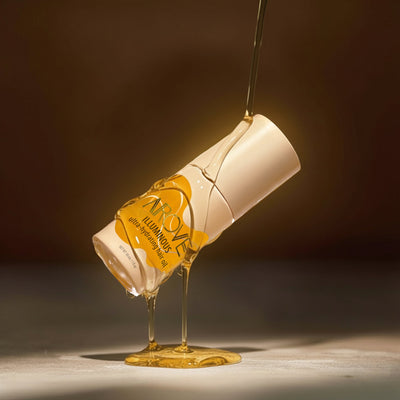
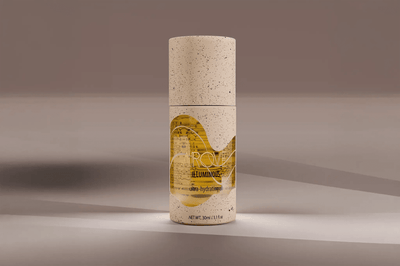
Concentration helps too. Illuminous is a waterless concentrate, so six or seven drops covers mid-lengths and ends — less material on the hair, less to build up. It is silicone-free and formulated without artificial fragrance, which removes two of the more common irritants.
And if buildup is already the issue, start clean. A water-activated powder shampoo clears accumulated product without the stripped feeling that drives people to wash less.
When to stop and ask someone
- Irritation that continues after you stop using the product
- Scaling, crusting or weeping on the scalp
- Hair loss with a widening part or distinct patches
- Any swelling, hives or difficulty breathing — urgent care, immediately
None of these are cosmetic problems, and no change of product will fix them.