"Best hair oil" is the wrong question. Oils differ mainly in weight and how readily they penetrate the hair shaft, and the right choice depends on which problem you are solving and how thick your hair is.
Work through it by concern.
Frizz
Frizz is a moisture-balance problem. When the cuticle is raised, humidity moves in and out freely and the strand swells unevenly.
What to look for: a lightweight oil that smooths the cuticle without coating it. Silicones do this well and wash out poorly; natural silicone alternatives achieve a similar finish with less buildup.
How to apply: on damp hair, before it dries. Applying to dry frizzy hair flattens the surface temporarily but does not stop the swelling that caused it.
Amount: less than you think. Frizz is usually a symptom of dryness, and too much oil on top of dry hair just makes it heavy and still frizzy.
Dryness
Worth distinguishing: oil does not hydrate. Water hydrates. Oil seals in the water that is already there.
What to look for: oils that penetrate rather than sit on top. Smaller molecules get into the cortex; larger ones stay on the surface.
How to apply: onto damp hair, always. Onto bone-dry hair you are sealing in dryness.
The mistake: reaching for more oil when hair feels dry, without adding water first. Dampen, then seal.
Damage
Damaged hair — from bleach, heat, or years of friction — has a compromised cuticle and higher porosity. It absorbs fast and loses fast.
What to look for: lightweight and frequent beats heavy and occasional. Damaged hair is already weakened; loading it with weight adds mechanical stress.
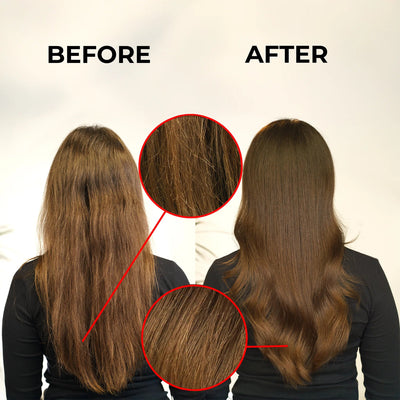
Realistic expectation: no oil repairs damage. Damage is structural and permanent until it grows out. Oil improves how damaged hair looks, feels and behaves, and reduces the friction that causes further breakage. That is genuinely worth having — it is just not repair.
Dullness
Shine is optical. Light reflects off a smooth surface and scatters off a rough one.
What to look for: a very light finishing oil applied to dry hair, on the surface, after styling.
The trap: dullness is often buildup, not dryness. If hair looks flat and coated, more oil makes it worse. Clarify first with a proper powder shampoo and reassess.
Fine hair that goes flat
Fine hair has the least surface area and the smallest margin before it looks greasy.
What to look for: the lightest, most concentrated formula available, so the effective dose is two or three drops rather than a palmful.
How to apply: ends only. Warm between your palms first, then press through — do not rake, which drags product upward.
Thick, coarse or coily hair
The opposite problem. These hair types lose moisture fast, especially at the bends in the strand, and tolerate considerably more product.
What to look for: something that layers well and can be reapplied without going heavy.
How to apply: section by section on damp hair, mid-lengths through ends, then again on the ends as needed between washes.
Quick reference
| Concern | Weight | Apply to | Where |
|---|---|---|---|
| Frizz | Light | Damp | Mid-lengths, ends |
| Dryness | Light to medium | Damp | Mid-lengths, ends |
| Damage | Light, more often | Damp | Ends especially |
| Dullness | Very light | Dry | Surface only |
| Fine hair | Lightest available | Damp | Ends only |
| Coarse or coily | Medium, layered | Damp | Mid-lengths, ends |
One formula, or several?
Most of these concerns overlap, and most people have two or three at once. Buying a separate oil for each is unnecessary — what matters more is a formula light enough to control the dose, so you can use two drops for shine on dry hair and seven for hydration on damp hair.
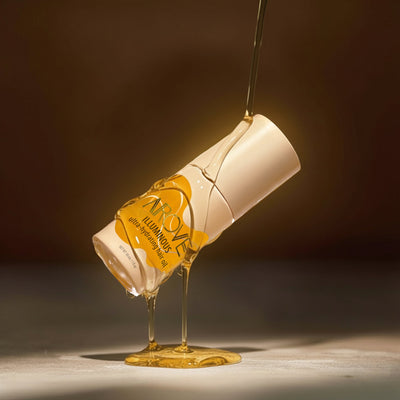
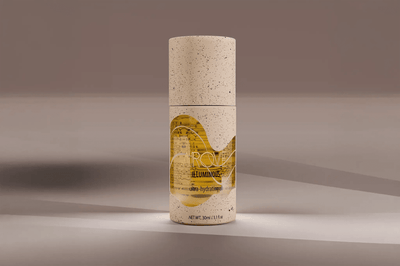
That is the case for a concentrate. Illuminous works as both a leave-in on damp hair and a finishing oil on dry hair, using a natural silicone alternative for the smoothing effect without the buildup silicones cause. Six or seven drops does what ten to fifteen drops of a traditional oil would.
Whatever you use, the routine underneath matters more than the bottle. Oil on top of buildup underperforms every time — which is why a genuine cleanse with powder shampoo and powder conditioner is the foundation, not an afterthought.
Common questions
Can I mix oils?
Yes, though you are mostly averaging their weights. Covered in can you mix hair oil with other products.
Is coconut oil good for everything?
No. It penetrates well but is heavy and occlusive, which suits coarse hair and overwhelms fine hair.
How long before I see a difference?
Shine and softness are immediate. Reduced breakage takes six to eight weeks to become visible as retained length.
Next: how much to use, wet or dry hair, and how long to leave it in.